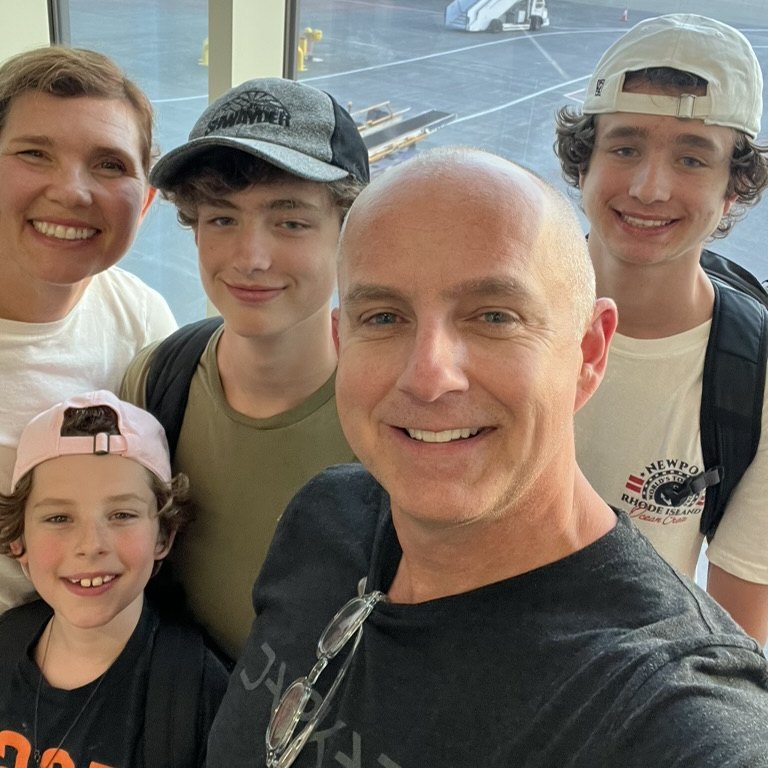
I spend a lot of my career watching pilots at the exact moment it matters most — sitting in the check seat, evaluating new-hire first officers as a Line Check Airman for a major airline. I've done it for years, and there's a pattern I keep seeing that never gets easier to watch.
The Training Gap I Keep Seeing
The stick-and-rudder skills are almost never the problem. The pilots who make it to an airline interview can fly the airplane. What's missing, more often than it should be, is everything airlines actually care about once the wheels are up: systems thinking, crew resource management, briefing discipline, the instinct to manage a cockpit instead of just operate one. That's not a personal failing. It's a training gap. Most of these pilots learned to fly well enough to pass a private-pilot-level checkride, in a culture built decades before the systems they're now flying were even designed. Nobody taught them to think like a crew, because nobody around them was training that way either.
I've spent a long time trying to figure out where that gap actually starts. It's not at the airline. By the time someone's in my seat, the habits are mostly set. It starts on day one of primary training, at whatever flight school first put them in an airplane.
I've Built Things Before
I'm not new to building things from scratch. Before I was an airline captain, I built two technology companies — one of them from an idea to a working product people actually used. Startups teach you a specific kind of impatience with things that are broken just because "that's how it's always been done." Flight training, as an industry, is full of those things:
- Paper logbooks in an era of live telemetry
- Decades-old trainer aircraft burning leaded fuel at nearly double the cost of modern alternatives
- Checkride-minimum curricula standing in for real professional standards
- A pricing model that's somehow both expensive and opaque at the same time
So I built the school I wish had existed when I started.
What VNAV Actually Does Differently
VNAV Flight Labs isn't built around passing an FAA checkride, though our students will pass theirs comfortably. It's built around the same standards I use to evaluate pilots at a major airline — Threat and Error Management and Crew Resource Management from lesson one, not introduced in year three once someone's already at an airline.
Our students brief, fly, and debrief the way I'd want a first officer briefing, flying, and debriefing next to me.
The aircraft matters too. We fly a modern, factory-built fleet with a real glass cockpit and a fraction of the fuel burn of the trainers most schools are still using — the same instrumentation logic students will see when they get to a regional jet, not something they'll have to unlearn. That efficiency is also why we can charge meaningfully less than legacy programs, without cutting what students actually get. I've built a technology company before this one; I know what it costs to run something lean, and I don't think flight training has to be as expensive as it's become.
The Standard We're Holding Ourselves To
None of this makes VNAV Flight Labs easier than a traditional program. If anything, it asks more of our students, earlier. What it does is train people the way the industry actually needs them trained, instead of the minimum the FAA requires — so that when a student finishes here and eventually sits across from someone doing the job I do, they've already built the habits that job is looking for.
That's the whole idea. Not a faster checkride. A better foundation.
If that's the kind of training you're looking for, I'd like to hear from you.